

In a transformative step for passenger rail connectivity, Starlink onboard Wi-Fi has significantly improved internet service for riders and operations on Brightline, the eco-friendly commuter rail company serving Florida’s busiest intercity corridors. By deploying the space-based broadband solution across its fleet, Brightline has reduced onboard Wi-Fi issues by approximately 50 percent, elevated guest satisfaction, and streamlined operational costs, redefining the digital experience for rail travelers.
Brightline became the first passenger rail service in the world to adopt Starlink for onboard connectivity, launching the service as part of its guest-first digital transformation strategy aimed at elevating the overall travel experience. Prior to this deployment, Brightline’s trains relied on traditional cellular networks for Wi-Fi, a solution that consistently struggled to meet rider expectations for modern digital activities such as video calls, streaming content, and other data-intensive applications. With high latency, limited bandwidth, and frequent reliability issues, cellular-only systems were insufficient for consistent performance — particularly on high-speed routes where passengers demand seamless connectivity.
The limitations of cellular connectivity were compounded by ongoing installation, maintenance, and intermediary costs that made the traditional network expensive and operationally complex. After a comprehensive assessment of its onboard Wi-Fi performance in 2022, Brightline concluded that a more connected, cost-effective, consistent, and sustainable solution was necessary to satisfy the diverse needs of its customer base. Enter Starlink: a low Earth orbit (LEO) satellite broadband network engineered and operated by SpaceX that provides high-speed, low-latency internet globally via a constellation of advanced satellites.
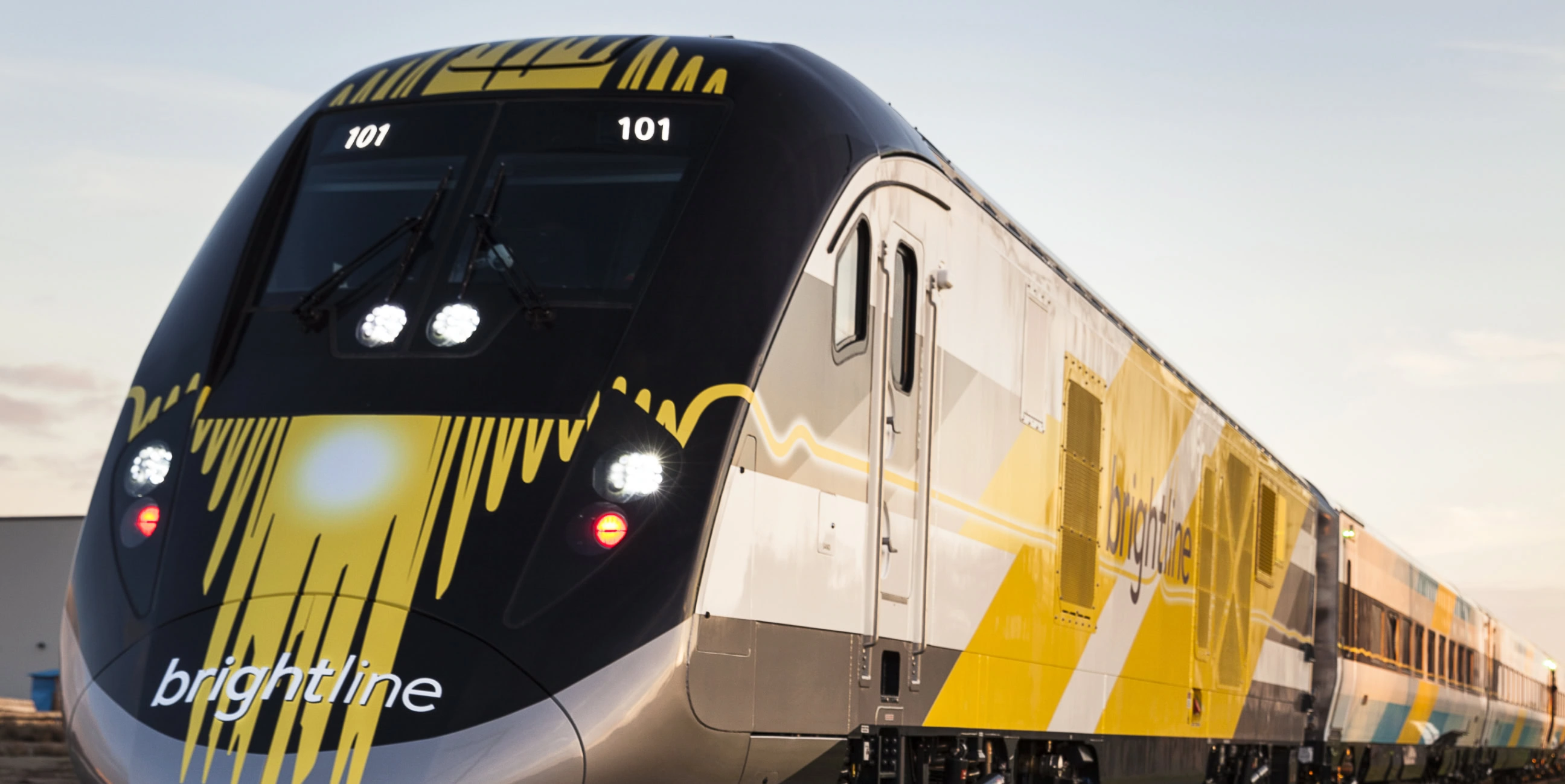
Following the collaboration with Starlink to deploy the first satellite internet system onboard a train, Brightline implemented the solution across its entire fleet of 10 trains. The results have been dramatic and measurable. By eliminating intermediary fees and hidden charges associated with legacy systems, Brightline reported a 60 percent reduction in intangible costs and an 80 percent decrease in the overall cost of doing business related to connectivity. More importantly for passengers, the service now delivers consistent internet speeds exceeding 100 Mbps, providing a reliable, persistent broadband experience throughout the journey.
This upgrade has markedly reduced customer complaints and technical issues that were once a constant concern. Over the past months, Brightline consistently installed Starlink hardware across its fleet, immediately improving Wi-Fi reliability even in areas where cellular coverage previously lagged. The company has also noted a 30 percent increase in its Wi-Fi Net Promoter Score (NPS), an important indicator of customer satisfaction, reflecting stronger brand sentiment and guest approval for the new connectivity experience.
One of the key differentiators of Starlink onboard Wi-Fi is its ability to maintain stable connectivity regardless of geographic location. Unlike terrestrial networks that suffer from coverage gaps — especially in rural or sparsely served regions — Starlink’s global satellite constellation ensures connectivity continuity even when trains are traveling at speed through less populated areas. This is particularly valuable for long-distance routes such as those between Miami, Fort Lauderdale, West Palm Beach, and Orlando, where uninterrupted connectivity enhances both the passenger experience and operational functionality.

The success of Brightline’s Starlink initiative also highlights how modern rail operators can leverage hybrid connectivity frameworks. In some advanced implementations, LEO satellite links can be integrated with terrestrial 5G or hybrid systems to ensure seamless coverage, reducing dead zones and optimizing switching between networks where available. This approach indicates a broader trend in transportation connectivity where multiple technologies converge to provide the most consistent user experience possible.
From an operational standpoint, the adoption of Starlink onboard Wi-Fi has enabled Brightline teams to enhance digital engagement, support real-time monitoring, and improve service delivery across the rail network. With a robust, scalable internet connection onboard, passengers can now comfortably engage in remote work, stream multimedia content, participate in video calls, and stay connected to digital services throughout their travels — all without the frustration of dropped connections or poor performance.
Overall, the integration of Starlink onboard Wi-Fi represents a major technological leap for Brightline and sets a standard for how passenger rail services can modernize connectivity on the move. By reducing onboard Wi-Fi issues by about half and delivering consistently high speeds, Brightline has not only enhanced customer experience but has also positioned itself at the forefront of digital transformation within the transportation sector. As satellite internet technologies continue to evolve, further innovations in hybrid connectivity strategies and performance optimization are likely to shape the future of rail communications around the world.


Leave a comment