

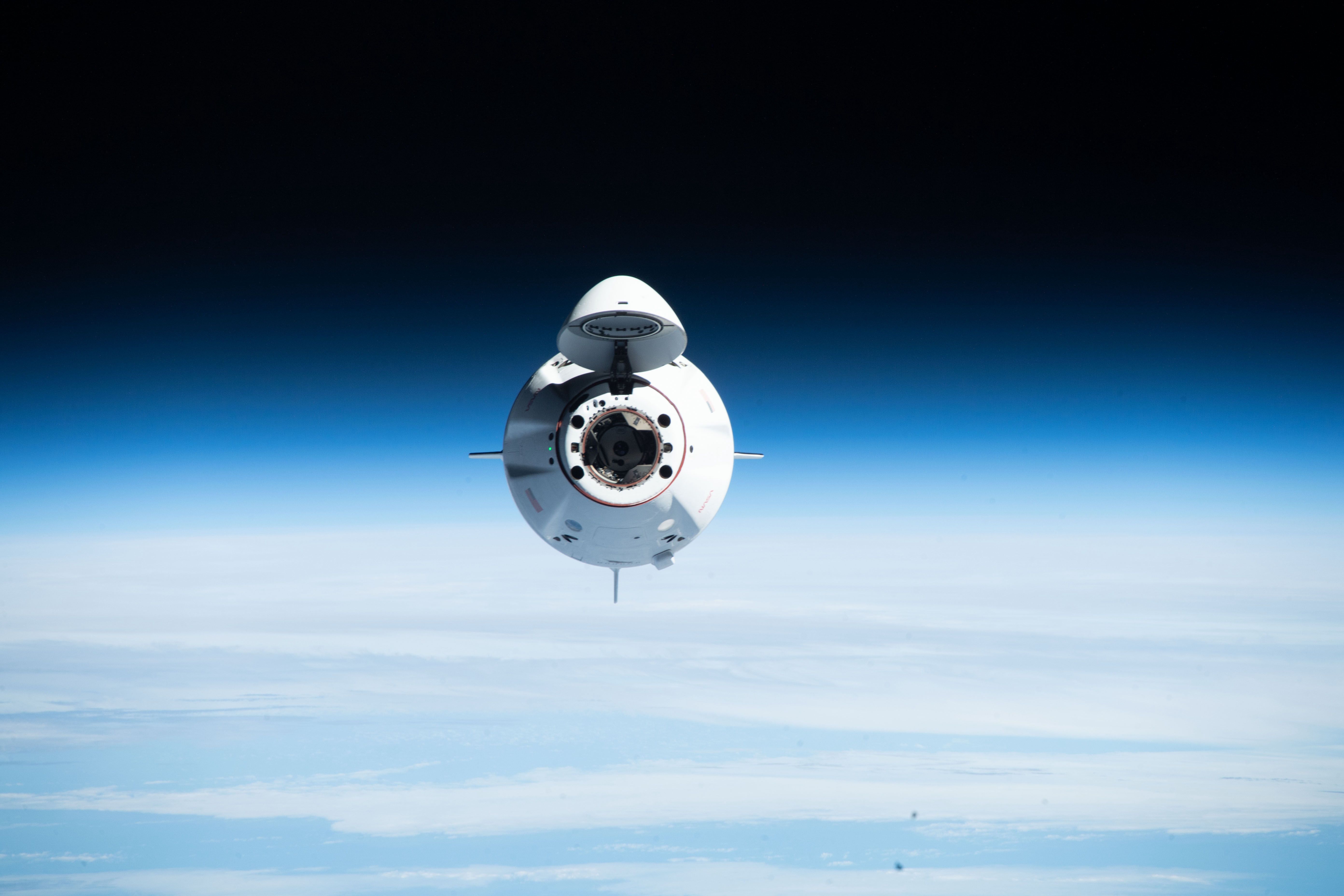
The SpaceX Dragon reentry and splashdown off the coast of San Diego, California, early on Thursday, January 15, 2026, marks a significant moment in human spaceflight recovery operations. After an expedited return from the International Space Station (ISS) due to a medical concern affecting one of the Crew-11 astronauts, NASA and SpaceX’s Crew Dragon spacecraft — Endeavour — is scheduled to complete its deorbit burn and atmospheric descent, culminating in a Pacific splashdown after a journey of approximately 10.5 hours.
The Crew-11 mission, which includes NASA astronauts Zena Cardman and Mike Fincke, JAXA astronaut Kimiya Yui, and Roscosmos cosmonaut Oleg Platonov, undocked from the ISS on Wednesday, January 14. The decision to bring the crew home early — ahead of the original mid-February schedule — was made in response to a medical situation aboard the space station. Officials have withheld details of the condition for privacy, but confirmed the affected astronaut is stable and that ensuring safe medical care on Earth is the priority.

Why the Early Return? A Look at the Crew-11 Mission
The Crew-11 mission was originally intended to have a longer stay aboard the ISS, conducting science and station maintenance. However, upon identifying health concerns for one crewmember, NASA and SpaceX swiftly coordinated an early departure using SpaceX’s Crew Dragon spacecraft. This marked an important test of the Commercial Crew Program’s ability to respond to in-orbit medical contingencies, underscoring the maturation of commercial human spaceflight operations between NASA and private industry partners.
The unplanned return demonstrates both the flexibility and reliability of Crew Dragon, which has been designed to support crewed missions with a strong emphasis on safety and rapid response. Dragon’s autonomous systems handle departure, deorbit burns, and reentry procedures, while mission teams on the ground monitor each phase closely to ensure stable conditions for the crew.

The Reentry Sequence and What to Expect
The reentry of a spacecraft like Dragon is a carefully choreographed series of events. After undocking from the ISS, the capsule performs a deorbit burn that places it on a trajectory toward Earth’s atmosphere. As it descends at orbital velocity, friction with the upper atmosphere heats the vehicle, producing a glowing plasma trail sometimes visible from the ground. The capsule then deploys a series of parachutes to slow its descent, reducing speed from thousands of miles per hour to a safe splashdown pace in the Pacific Ocean.
Recovery teams, including Coast Guard patrols and SpaceX recovery vessels, will be stationed offshore to secure the spacecraft upon splashdown. Once the capsule lands in the water, personnel will first verify the safety of the spacecraft before securing it for crew egress and post-landing operations. These procedures are designed to ensure the astronauts are brought safely back to Earth with medical and logistical support.
Public Viewing and Scientific Impact
For space enthusiasts along the West Coast, SpaceX Dragon reentry offers a rare opportunity to observe — or even photograph — a reentering spacecraft. Depending on weather and visibility conditions, some portions of the descent may appear as a bright flare or streak of light moving across the sky in the early morning hours. Social media groups and community observers along the California coast from San Diego to the Bay Area have been discussing potential visibility and the best vantage points for watching the event.
From a scientific perspective, each reentry offers data that can be used to refine models of atmospheric interaction, spacecraft thermal protection performance, and recovery operations. These data points enhance our understanding of how crewed capsules behave during return flights, informing future mission design and safety practices for deeper space missions, including lunar and Mars-bound exploration.

Looking Forward: What This Means for Crew Missions
As NASA and SpaceX continue to evolve the Commercial Crew Program, the successful execution of a medical contingency return reinforces confidence in the partnership and the hardware that supports it. Future missions — including Crew-12 and beyond — will benefit from the operational experience gained through scenarios like the Crew-11 return. According to NASA’s announcements, plans are in place to continue full crew rotations to and from the ISS with additional Crew Dragon spacecraft and Falcon 9 launch vehicles.
The SpaceX Dragon reentry on January 15, 2026, sets an example of human spaceflight’s resilience and adaptability — merging advanced engineering with protocols that place crew health and safety at the forefront. The smooth completion of splashdown off San Diego will bring Crew-11 safely home and demonstrate once again the capabilities of modern commercial spacecraft in mission-critical situations.


Leave a comment