

Starlink Direct to Cell adoption in Ukraine has now crossed a major milestone, with more than 3,000,000 registered users of the satellite-enabled mobile connectivity service powered by Starlink and delivered through Kyivstar, Ukraine’s leading mobile network operator. Since the service’s official launch in late November 2025, Kyivstar’s integration of satellite connectivity with its mobile infrastructure has demonstrated rapid adoption and played a critical role in ensuring communication across the country — especially where terrestrial networks are limited or disrupted.
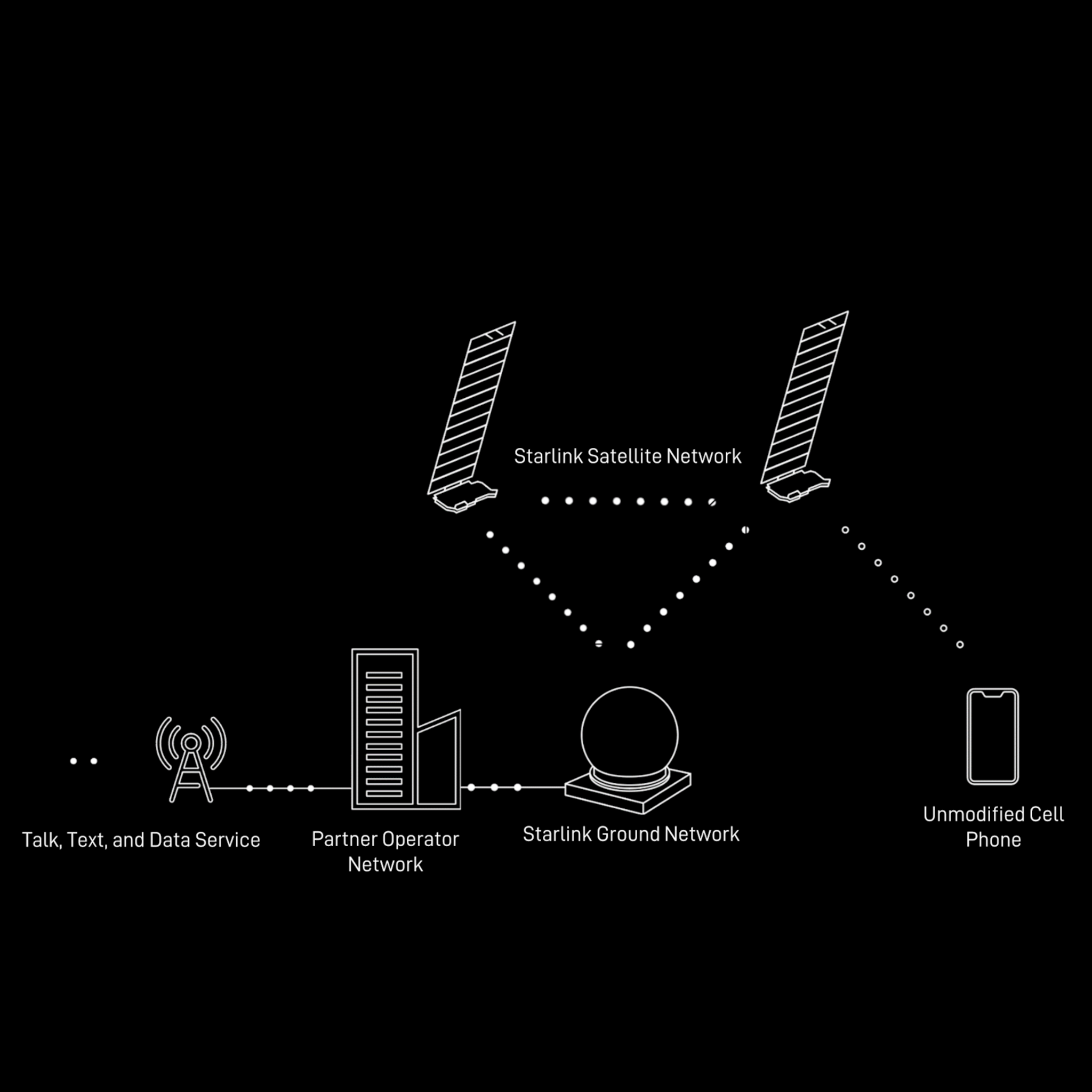
This satellite-augmented mobile service, known as Starlink Direct to Cell adoption, enables ordinary 4G smartphones to connect to Starlink satellites when conventional cellular coverage is unavailable, essentially turning satellites into space-based mobile towers. The service has already delivered more than 1.2 million SMS messages via satellite, highlighting its utility for mission-critical communications in both everyday and emergency scenarios.

Why Starlink Direct to Cell Adoption Matters for Ukraine
The rapid adoption of Starlink Direct to Cell adoption is significant for several reasons. First, it reflects the importance of resilient connectivity in a country experiencing ongoing infrastructure challenges. Ukraine’s southern and eastern regions, in particular, have seen substantial demand for satellite-enhanced communication, where damage to ground networks and intermittent power outages can affect traditional mobile coverage. As a service that supplements terrestrial networks, satellite connectivity ensures that people can remain in contact even when ground-based systems fail.
Another key factor contributing to the rapid uptake is accessibility: Kyivstar subscribers can use Starlink Direct to Cell services at no extra cost under their existing 4G plans, without requiring special hardware or changes to their phones. For many users, this means seamless switch-over to satellite connectivity when they lose access to regular mobile signals.

How Starlink Direct to Cell Adoption Works for Users
In practical terms, the technology behind Starlink Direct to Cell adoption allows compatible mobile devices — including iPhones running iOS 26.2 or later — to automatically detect and connect to the “Kyivstar | SpaceX” network when traditional signals are unavailable. This happens when the device has a clear line of sight to the sky, enabling seamless SMS delivery even outside standard cellular coverage. While the current service is limited to text messaging, data services are expected to be added in the future as the network and compatible technologies evolve.
Importantly, the ease of use and lack of additional charges have made the service appealing to a wide base of users. About 15.5 million Kyivstar 4G subscribers — roughly 10 percent of the operator’s mobile customer base — can access Starlink Direct to Cell through their regular plans, making it one of the most rapidly adopted satellite-mobile integration efforts in Europe.

Geographic Reach and Regional Use Patterns
The technology’s uptake has been strongest in several key regions, including Kyiv, Lviv, Vinnytsia, Khmelnytskyi, and Dnipro, demonstrating broad geographic reliance on satellite-assisted communication. These areas combine urban density with connectivity challenges in peripheral zones, making Starlink’s satellite solution a practical augmentation to traditional cellular coverage.
As the service scales, providers like Kyivstar and its parent VEON expect to continue expanding outreach and performance. There are also early reports of successful Starlink Direct to Cell tests with messaging apps and voice features in other markets, suggesting that future updates may bring additional communication capabilities beyond SMS.
The Strategic Importance of Starlink Direct to Cell Adoption
From a strategic standpoint, the adoption of Starlink Direct to Cell services underscores how satellite technologies can enhance national resilience in connectivity — especially in countries facing infrastructure strain due to conflict, natural disasters, or sparse rural coverage. In Ukraine, where reliable communication is critical for both civilian life and emergency response, satellite ties have become an integral part of the nation’s digital infrastructure.
Kyivstar’s CEO and executive leaders emphasize the importance of this adoption. The technology not only expands mobile coverage into previously unreachable areas but also builds a redundancy layer that keeps people connected when other systems falter — a vital capability given the unpredictable nature of conflicts and infrastructure challenges faced by the country.
Looking Ahead: Expansion and Future Services
Although Starlink Direct to Cell adoption currently supports SMS messaging, plans are in motion to broaden the scope of services, including voice and mobile data over satellite. With more satellites in orbit and continued collaboration between SpaceX and mobile operators worldwide, future iterations of Direct to Cell services may provide even more robust coverage and higher-capacity communication features.
In the meantime, the current milestone of 3 million registered users stands as a testament to the transformative potential of space-based mobile connectivity, offering millions of Ukrainians a lifeline where traditional networks sometimes cannot reach.


Leave a comment