

On the edge of the desert in Barstow, California, the roar of engines cuts through the silence—Team 1 Nine Industries is making its final push for the legendary Baja 400 off-road race. Unlike previous preparation scenes, their trucks and support helicopter are equipped with a "secret weapon": Starlink Performance Kits. This satellite internet solution, with its high-speed connectivity, is unblocking communication channels in the remote desert for the top-tier off-road team, redefining the logistics support and race experience of off-road racing.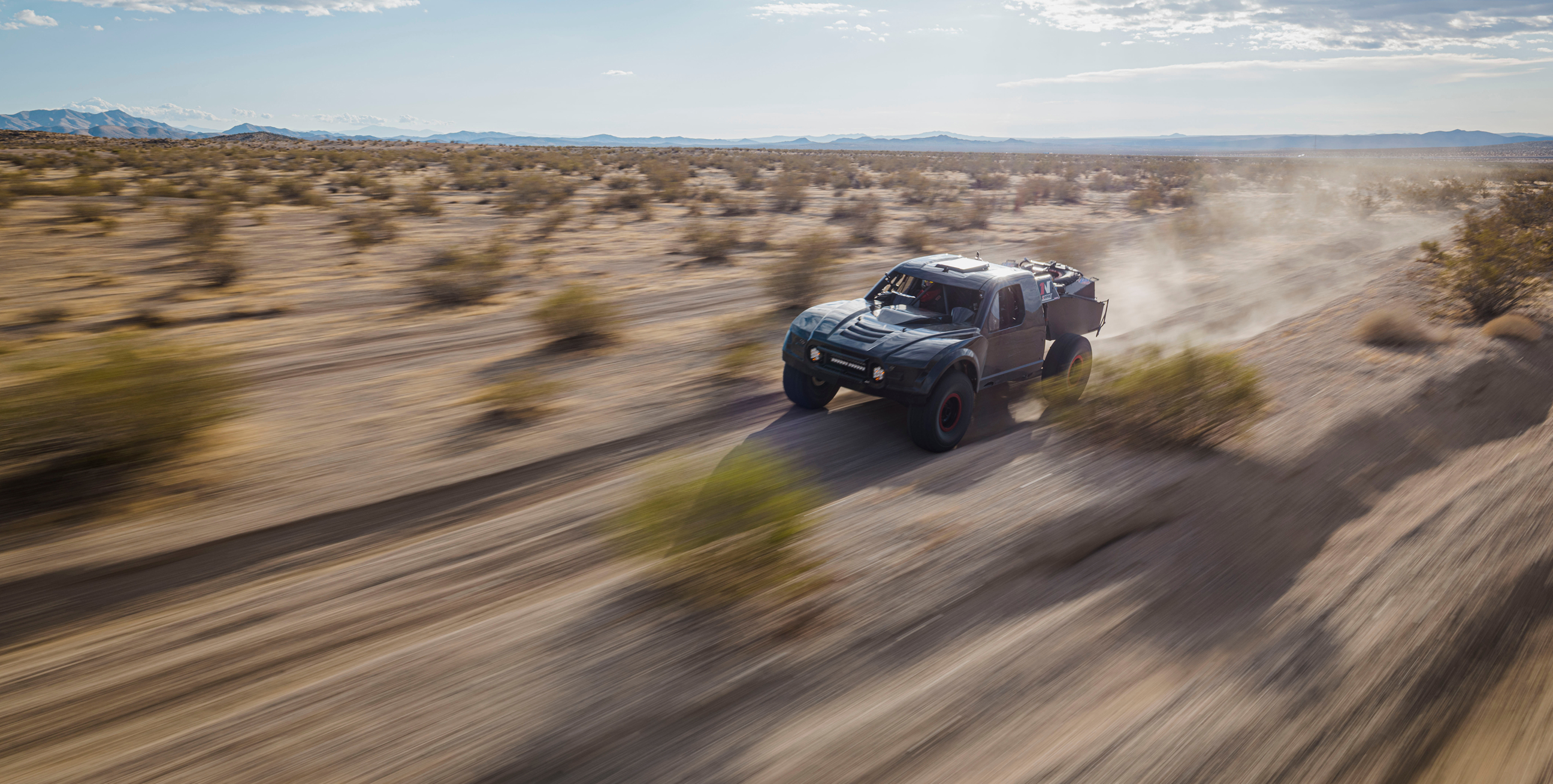 Renowned worldwide for its extreme terrain challenges and ultra-long distance, the Baja 400 requires drivers to traverse over 1,600 kilometers (1,000 miles) of uninhabited desert at a maximum speed of 240 km/h (150 mph). In the past, such a racecourse meant "isolation from the world"—communication between drivers and their support teams was frequently interrupted, real-time vehicle condition feedback was delayed, emergency failures were hard to respond to quickly, and sharing race moments with family and fans was nearly impossible. But Starlink has completely changed this situation.
By deploying high-performance satellite terminals on their racing trucks and support helicopter, Team 1 Nine Industries has achieved three major breakthroughs: real-time fault communication allows drivers to instantly relay critical information such as engine abnormalities and tire wear to engineers behind the scenes, enabling immediate strategy adjustments; unbounded family interaction lets drivers video call their families to check in during breaks from the high-intensity race, easing mental stress; innovative race live streaming gives fans an immersive, team-side view of the speed and excitement of desert racing, breaking the "niche" communication barrier of off-road events.
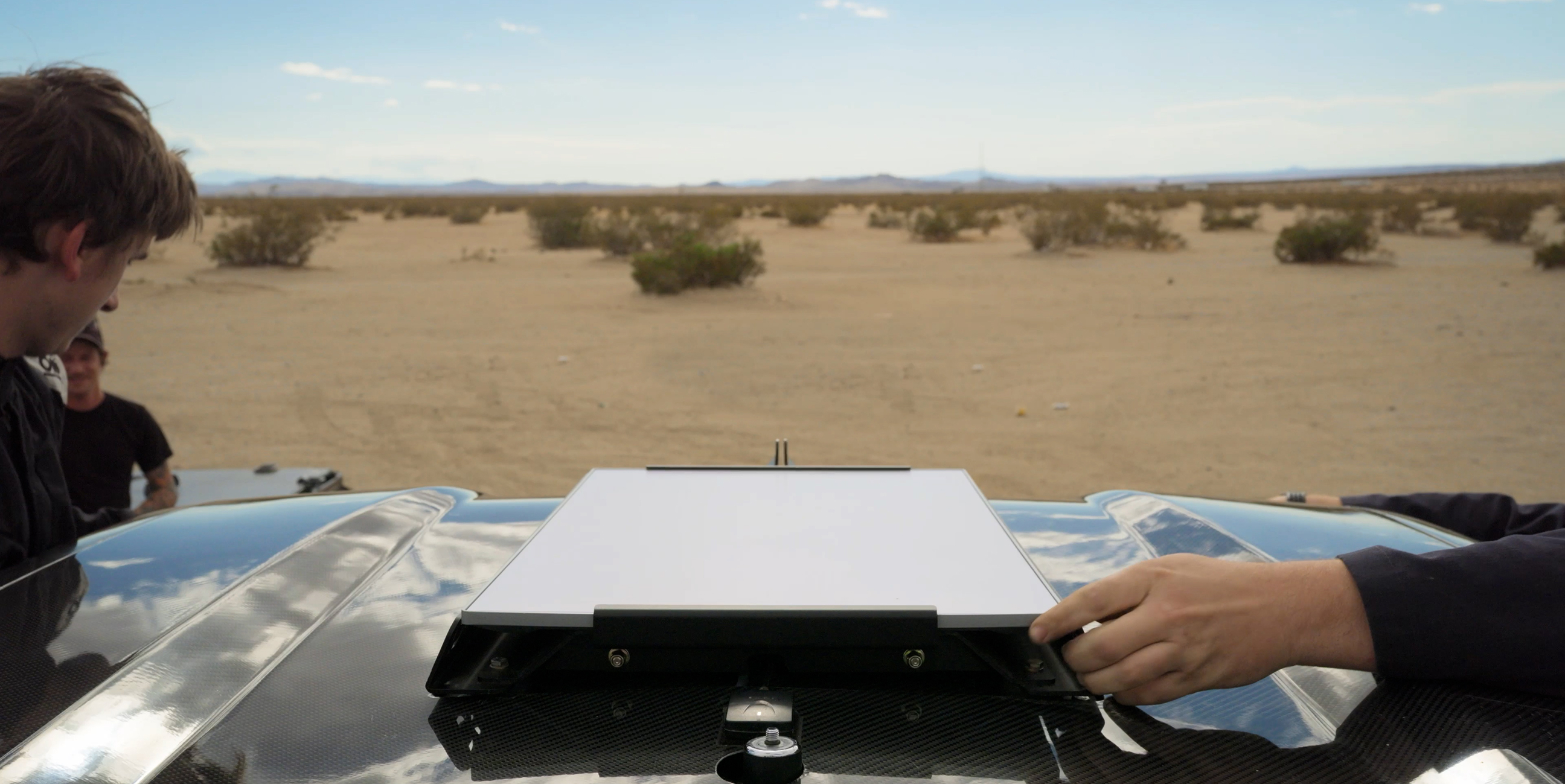
This is not only a technological innovation in the off-road racing industry but also a vivid example of "technology empowering sports." On the Baja racecourse, where terrain is complex and signals are non-existent, Starlink's low-latency, high-stability satellite network has become the team's "invisible teammate" in the quest for the championship. As a representative of Team 1 Nine Industries stated: "In off-road racing where milliseconds determine victory or defeat, real-time communication is the lifeline. Starlink keeps us connected to the world even in the remote desert—this is the key to winning races."
From space satellites to desert racecourses, Starlink is rewriting the "connection rules" across industries. For off-road racing, this technological integration not only enhances the safety and competitiveness of events but also brings this extreme sport to a wider audience. As satellite internet technology continues to mature, more off-road races, adventures, and expeditions may benefit from this "seamless" communication support in the future, allowing humans to challenge the limits of nature without being constrained by geography or signal blackouts.

On the Baja 400 racecourse, engines still roar, and the communication light ignited by Starlink is making this desert race more exciting, safer, and more connected than ever before.


Leave a comment