

Starlink Mobile Bangladesh is set to become one of the most important satellite-to-mobile connectivity launches in South Asia, as Banglalink and VEON officially announced a partnership with Starlink Mobile to bring direct-to-device connectivity to millions of users across Bangladesh. Announced on April 23, 2026, at 1:06 AM, this rollout marks a major step toward resilient communications in one of the world’s most densely populated countries.
According to VEON’s official announcement, Bangladesh is now positioned to become the third market under the Starlink Mobile and VEON partnership, following successful deployments in Ukraine and Kazakhstan. The service will initially support messaging in 2026, followed by data services in a later phase pending regulatory approvals.
This means millions of Banglalink users will soon be able to stay connected even when traditional terrestrial mobile towers are unavailable, especially in rural, coastal, riverine, and disaster-prone regions.

How Starlink Mobile Bangladesh Works
The Starlink Mobile Bangladesh service is based on direct-to-device (D2D) satellite technology, allowing standard 4G LTE smartphones to communicate directly with satellites in low Earth orbit.
Unlike traditional satellite phones that require dedicated hardware, this system works with existing mobile devices as long as there is a clear view of the sky.
Starlink’s direct-to-cell satellites effectively act as cell towers in space, extending network coverage beyond the reach of terrestrial infrastructure.
For Bangladesh, this is particularly significant.
The country’s geography includes:
- river islands (chars)
- coastal regions
- flood-prone areas
- remote agricultural zones
- cyclone-affected districts
These areas often experience weak or disrupted coverage.
The integration of Starlink Mobile Bangladesh with Banglalink’s terrestrial network will help bridge these gaps.
Why Starlink Mobile Bangladesh Matters
Bangladesh has a population exceeding 175 million people, making reliable nationwide connectivity both a technical and economic challenge.
The launch of Starlink Mobile Bangladesh has several major implications.
First, it strengthens digital inclusion.
Remote communities that currently struggle with poor signal coverage may soon gain access to:
- text messaging
- emergency alerts
- app-based communication
- future data services
Second, it improves disaster resilience.
Bangladesh frequently faces:
- cyclones
- flooding
- storm surges
- network outages
During emergencies, terrestrial towers can become damaged or inaccessible.
Satellite-to-mobile connectivity provides an important backup layer that keeps families, first responders, and relief teams connected.
Third, it supports economic development.
Reliable connectivity in underserved regions improves access to:
- mobile banking
- e-commerce
- digital education
- healthcare services
- agricultural information systems
This is a major step forward for nationwide digital transformation.
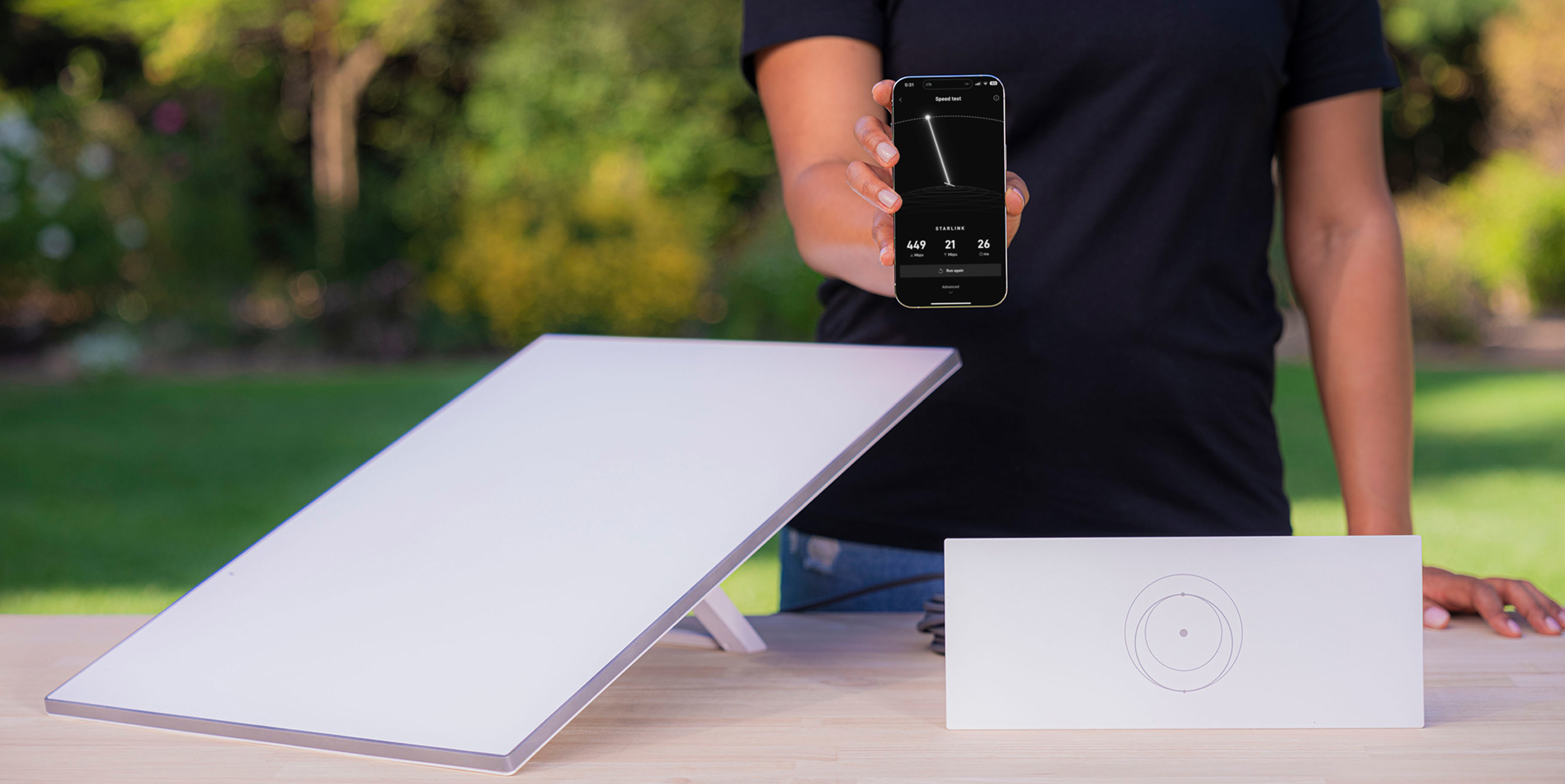
Starlink Mobile Bangladesh and Banglalink Partnership
Banglalink, a major subsidiary of VEON, is one of the leading telecom providers in Bangladesh.
The company’s collaboration with Starlink Mobile represents a strategic move to complement existing mobile infrastructure rather than replace it.
The service model is designed as supplemental coverage from space, meaning customers automatically gain connectivity when terrestrial service becomes unavailable.
This hybrid approach is ideal for:
- rural connectivity
- backup coverage
- emergency communications
- geographic dead zones
The trial phase is expected to include initial SMS and OTT messaging services, with future rollout plans for light-data applications.
What This Means for the Future of South Asian Connectivity
The launch of Starlink Mobile Bangladesh could become a blueprint for neighboring markets.
South Asia includes many regions with difficult terrain and high population density, where expanding tower infrastructure is costly and time-consuming.
If the Banglalink deployment proves successful, similar models may expand into:
- India border regions
- Nepal mountain areas
- island zones
- coastal regions across the Bay of Bengal
This partnership also highlights how Starlink is evolving beyond home broadband into mobile-first connectivity ecosystems.
As of early 2026, Starlink already serves more than 10 million customers globally across more than 160 countries and markets.
The Bangladesh rollout extends this expansion into direct consumer mobile services.

Internal Link: Explore Starlink Accessories and Solutions
For Starlink-compatible accessories, mounting kits, Ethernet adapters, and remote connectivity products, visit our store:
This is especially useful for businesses and users deploying Starlink-powered networking solutions.
External Link: Official Source
Official announcement from VEON and Banglalink:

Conclusion
The launch of Starlink Mobile Bangladesh marks a major advancement in resilient digital infrastructure for South Asia.
By combining Banglalink’s mobile network with Starlink’s direct-to-device satellite technology, millions of people in remote and underserved areas will soon gain access to reliable connectivity.
This is not only a telecom milestone—it is a major step toward digital inclusion, disaster resilience, and economic growth.


Leave a comment