

SoftBank Starlink Direct officially launched in Japan on April 10, marking a major milestone in the expansion of satellite-to-mobile communications in Asia. Through this partnership between SoftBank and Starlink, SoftBank customers across Japan can now access satellite-powered mobile connectivity directly from their smartphones—even in areas where traditional terrestrial cellular networks are unavailable.
This launch makes Japan one of the earliest countries in Asia to commercially activate Starlink Mobile services, reinforcing the growing importance of direct-to-cell satellite communications in modern telecommunications. By integrating Starlink’s low-Earth orbit (LEO) satellite network with SoftBank’s mobile infrastructure, users can now send text messages and access voice, video, and app-based calling services in remote mountains, offshore waters, rural villages, and disaster-prone regions where signal gaps have historically remained a challenge.
Unlike legacy emergency satellite communication systems that require special terminals or expensive subscriptions, SoftBank customers can use SoftBank Starlink Direct without submitting additional applications or paying extra service fees, making the rollout highly consumer-friendly and scalable.
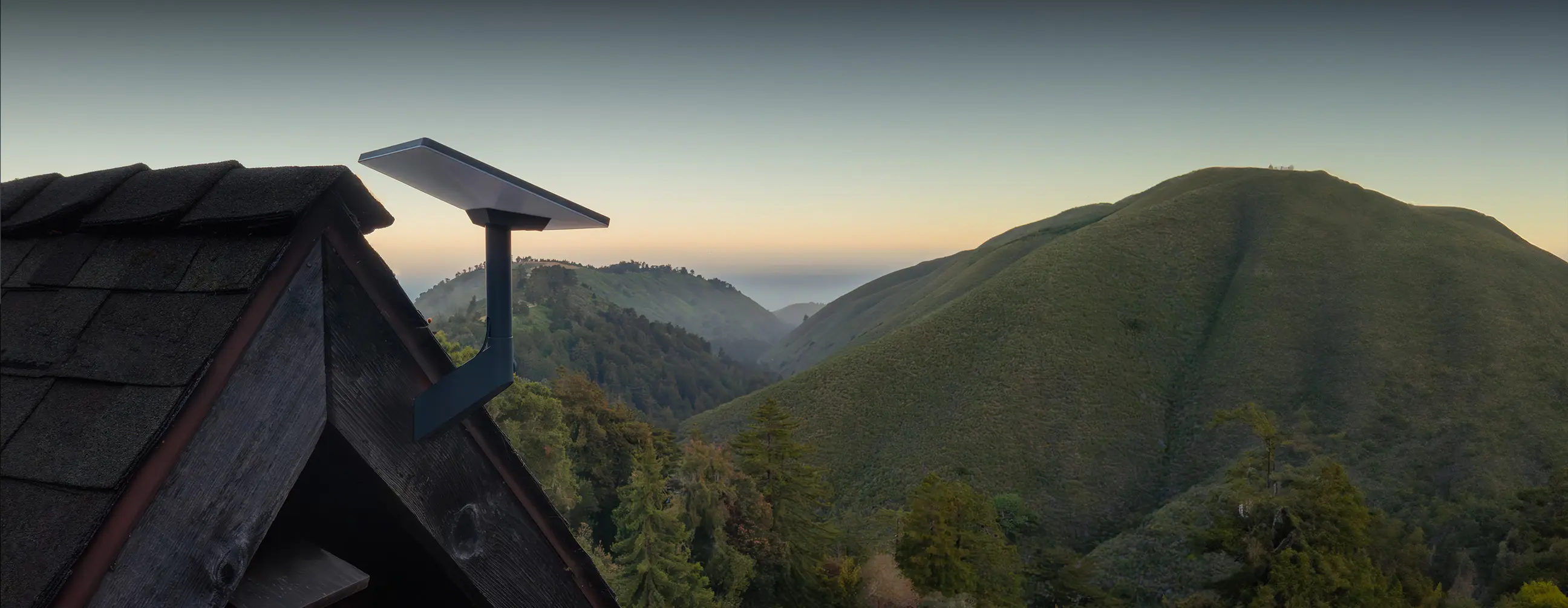
SoftBank Starlink Direct Brings Nationwide Satellite Coverage to Japan
The introduction of SoftBank Starlink Direct is especially important in Japan because of the country’s geographic complexity.
Japan’s mountainous terrain, island chains, dense forests, and remote coastal regions often create mobile dead zones where conventional towers cannot economically provide reliable coverage. While urban centers like Tokyo, Osaka, and Yokohama enjoy dense cellular infrastructure, remote prefectures and isolated transportation corridors still face coverage limitations.
Starlink Mobile solves this by using satellites as “cell towers in space.”
Instead of depending solely on ground-based towers, supported smartphones can connect directly to Starlink satellites orbiting overhead, dramatically expanding service reach.
This means SoftBank users can now remain connected in places such as:
- Mountain hiking trails
- Rural agricultural zones
- Offshore fishing routes
- Remote islands in Okinawa and Hokkaido
- Disaster evacuation regions after earthquakes or typhoons
This new satellite-to-phone architecture significantly enhances national communication resilience.
How SoftBank Starlink Direct Works
The technology behind SoftBank Starlink Direct is based on Starlink’s rapidly growing Direct-to-Cell satellite network.
Unlike traditional satellite phones, this system works with compatible existing LTE-enabled smartphones. No satellite dish, separate receiver, or special antenna is required.
Here is how it works:
- A SoftBank smartphone loses terrestrial tower coverage.
- The device automatically searches for available Starlink satellite signal.
- Nearby Starlink satellites establish direct communication.
- Text, app messaging, voice, and video services continue seamlessly.
Because Starlink satellites operate in low-Earth orbit, latency remains far lower than conventional geostationary satellite systems, improving responsiveness and communication quality.
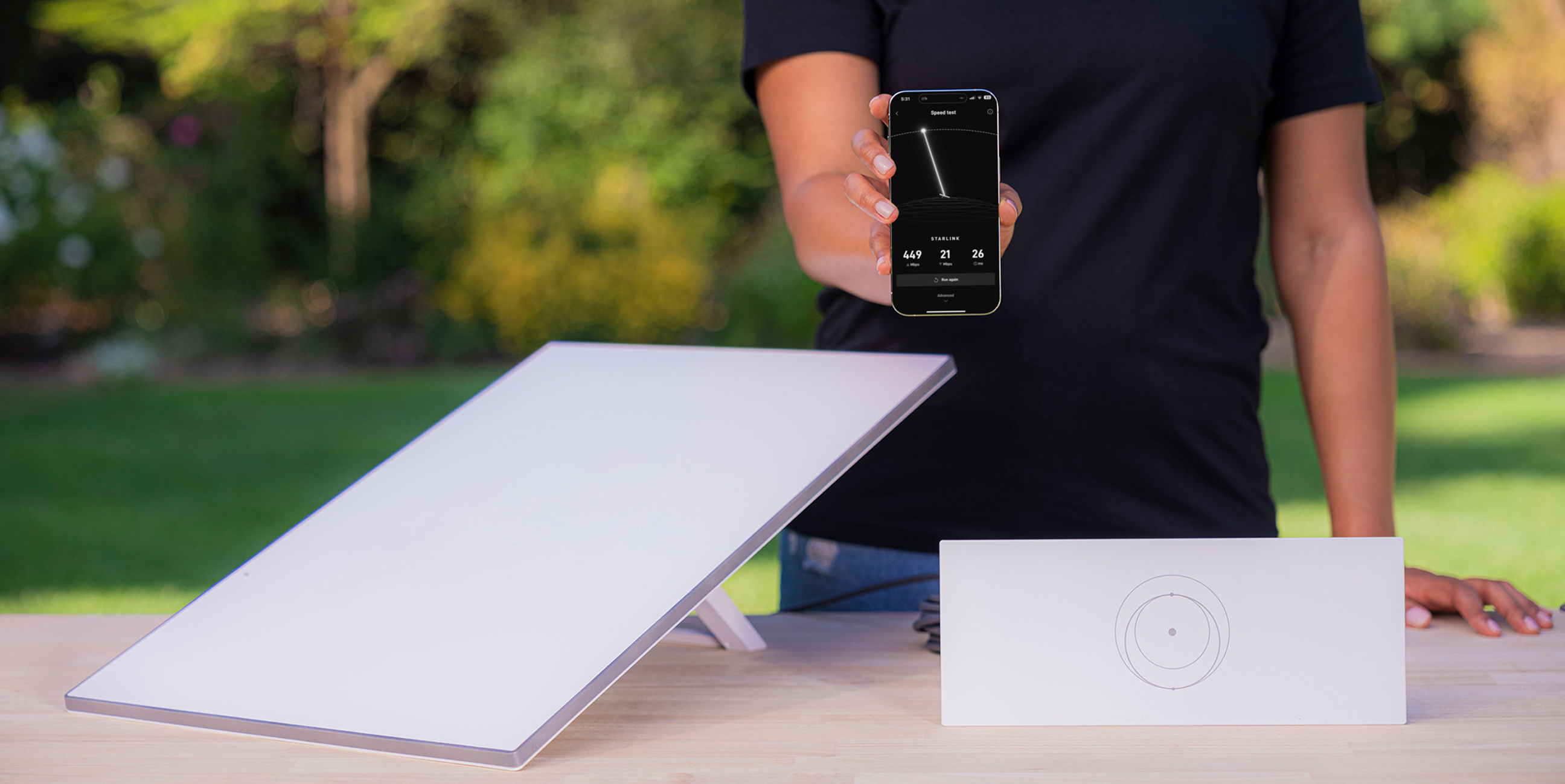
Why Japan Is a Strategic Market for Starlink Mobile
Japan represents a highly strategic telecommunications market for Starlink.
Several factors make the country ideal for early deployment:
1. Disaster Preparedness Needs
Japan frequently experiences earthquakes, tsunamis, typhoons, and volcanic activity. Satellite-backed mobile redundancy strengthens emergency communication resilience.
2. Advanced Smartphone Penetration
Japan has one of the world’s highest smartphone adoption rates, making satellite-to-phone integration highly scalable.
3. Remote Geographic Coverage Gaps
Despite advanced telecom infrastructure, rural and isolated zones remain challenging for terrestrial expansion.
With SoftBank Starlink Direct, Japan becomes a model for satellite-mobile integration that may influence future rollouts across Asia-Pacific markets.
SoftBank Starlink Direct and Emergency Communication Benefits
One of the most transformative impacts of SoftBank Starlink Direct lies in emergency preparedness.
During natural disasters, terrestrial cell towers may fail due to:
- Power outages
- Flooding
- Earthquake damage
- Infrastructure collapse
Satellite communication ensures users retain access to:
- Emergency alerts
- Family communication
- Rescue coordination apps
- Navigation assistance
Japan’s disaster response agencies may indirectly benefit as civilians maintain communication even during infrastructure disruptions.
This aligns with Starlink’s broader global role in disaster resilience communications.
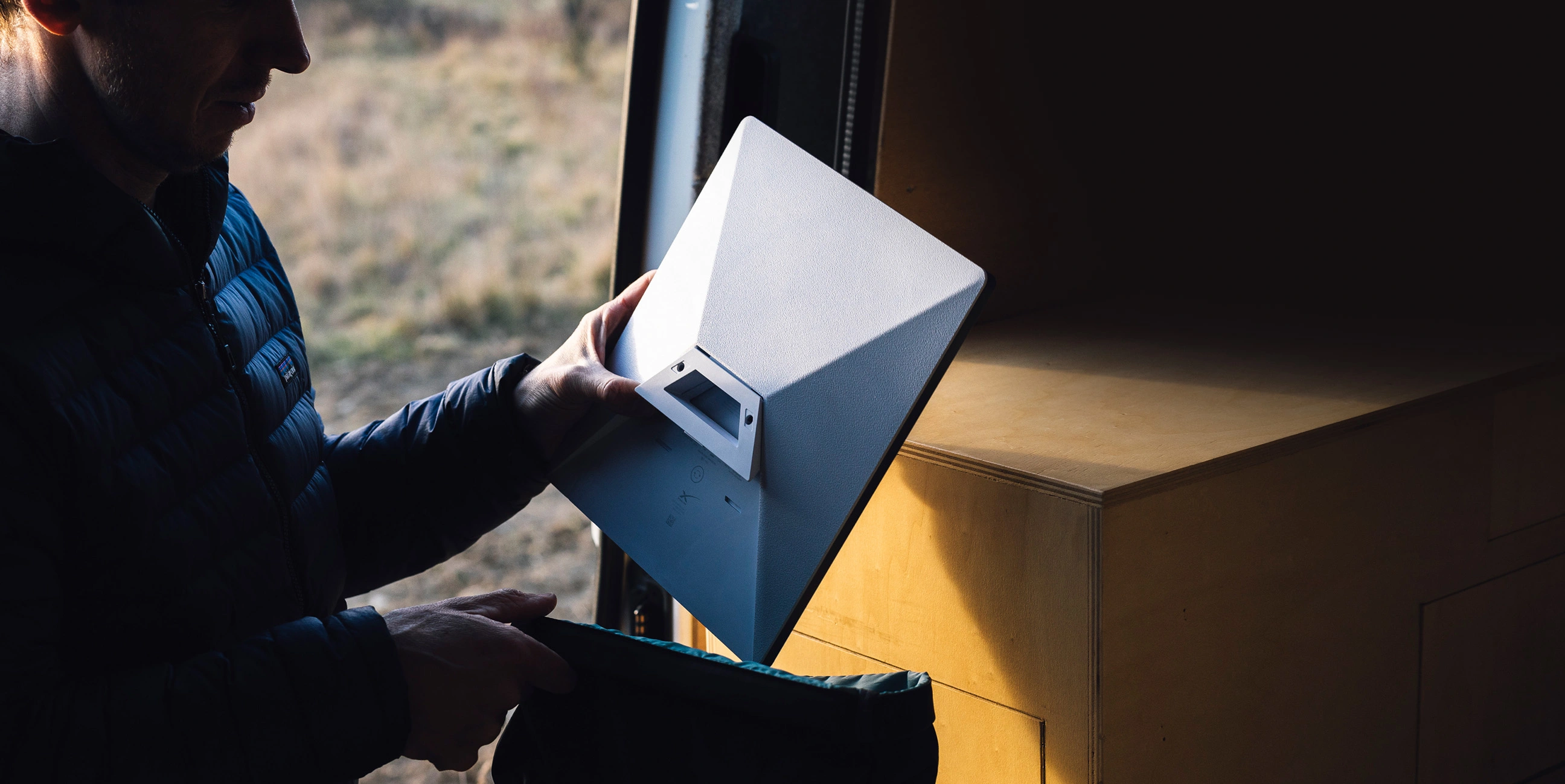
Internal Link: Enhance Your Starlink Connectivity Equipment
For users and businesses looking to expand Starlink hardware capabilities, visit:
👉 https://wxplink.com/
WXPLink offers Starlink-compatible accessories including:
- Power adapters
- Mounting kits
- Ethernet adapters
- Waterproof extension cables
These tools help optimize Starlink setups for residential, mobile, and remote applications.
External Link: Official Starlink Mobile Information
Learn more about Starlink Mobile services here:
👉 https://starlink.com/mobile
Competitive Impact on Japan’s Telecom Industry
The launch of SoftBank Starlink Direct places competitive pressure on other major Japanese carriers including:
- NTT Docomo
- KDDI au
- Rakuten Mobile
As satellite-to-mobile connectivity becomes commercially viable, rival telecom operators may need to accelerate their own satellite partnerships to remain competitive.
This could trigger:
- Faster direct-to-cell innovation
- Expanded satellite spectrum agreements
- New telecom pricing models
Japan’s telecom landscape is entering a new competitive phase.

Global Context: Starlink Mobile Expansion Continues
SoftBank joins a rapidly expanding global network of Starlink Mobile partners.
Starlink has already announced partnerships in countries including:
- United States
- New Zealand
- Zambia
- Germany
- Switzerland
With more than 32 countries now involved in Starlink Mobile expansion, Japan’s inclusion signals growing global momentum for direct-to-cell adoption.
This reinforces Starlink’s ambition to eliminate terrestrial coverage blind spots worldwide.
Future Outlook for SoftBank Starlink Direct
Looking ahead, SoftBank Starlink Direct may evolve beyond messaging and app calling into:
- Full native voice calling
- High-speed satellite mobile internet
- 5G direct-to-cell service
- IoT remote device integration
As Starlink launches more next-generation V2 satellites, bandwidth capacity is expected to increase substantially.
This means Japan could soon experience seamless satellite broadband directly on smartphones—not just backup coverage, but full primary mobile connectivity.

Conclusion
The launch of SoftBank Starlink Direct marks a historic step in Japan’s telecommunications evolution.
By combining SoftBank’s nationwide customer base with Starlink’s satellite network, Japan is now entering a future where mobile coverage is no longer limited by terrain, towers, or geography.
For consumers, businesses, and emergency responders alike, this service represents a powerful leap toward truly universal connectivity.


Leave a comment